Top Myths About Cashless Transactions Debunked
Understanding Cashless Transactions
In recent years, cashless transactions have become increasingly popular, offering a convenient and efficient way to manage finances. However, several myths about this technology persist. Let's explore and debunk these misconceptions to better understand the benefits and realities of cashless payments.
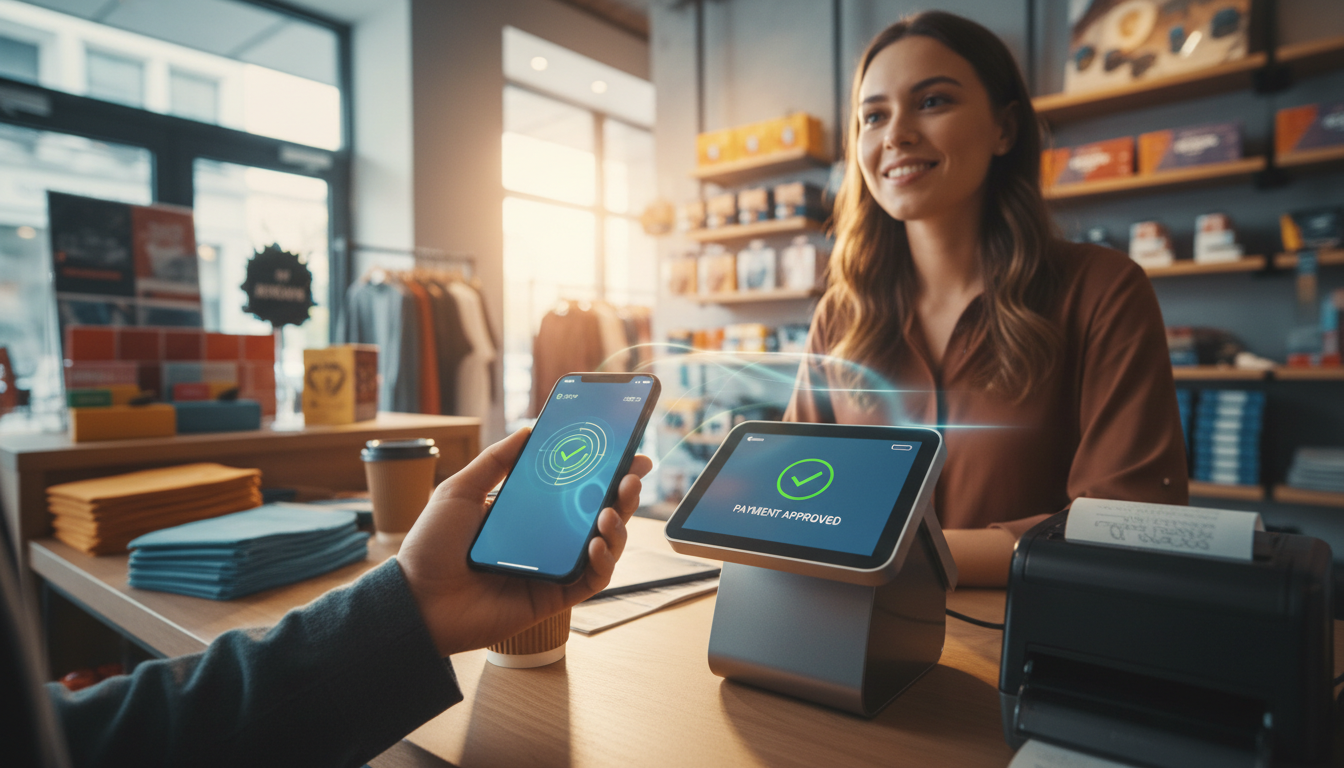
Myth 1: Cashless Transactions Are Not Secure
One of the most common myths is that cashless transactions are unsafe. In reality, modern payment systems use advanced encryption technologies to protect sensitive information. Financial institutions and payment processors invest heavily in security measures to ensure the safety of digital transactions. Adopting practices such as two-factor authentication can further enhance security.
It's important to remember that while no system is entirely foolproof, the level of security in cashless transactions is designed to be robust, offering protection comparable to or exceeding that of traditional cash handling.
Myth 2: Cashless Transactions Are Only for the Tech-Savvy
Another misconception is that cashless payments require extensive technical knowledge. On the contrary, these systems are designed to be user-friendly. Mobile apps, contactless cards, and online payment platforms offer intuitive interfaces that are accessible to a wide range of users. Educational resources and customer support are widely available to help individuals become comfortable with these technologies.
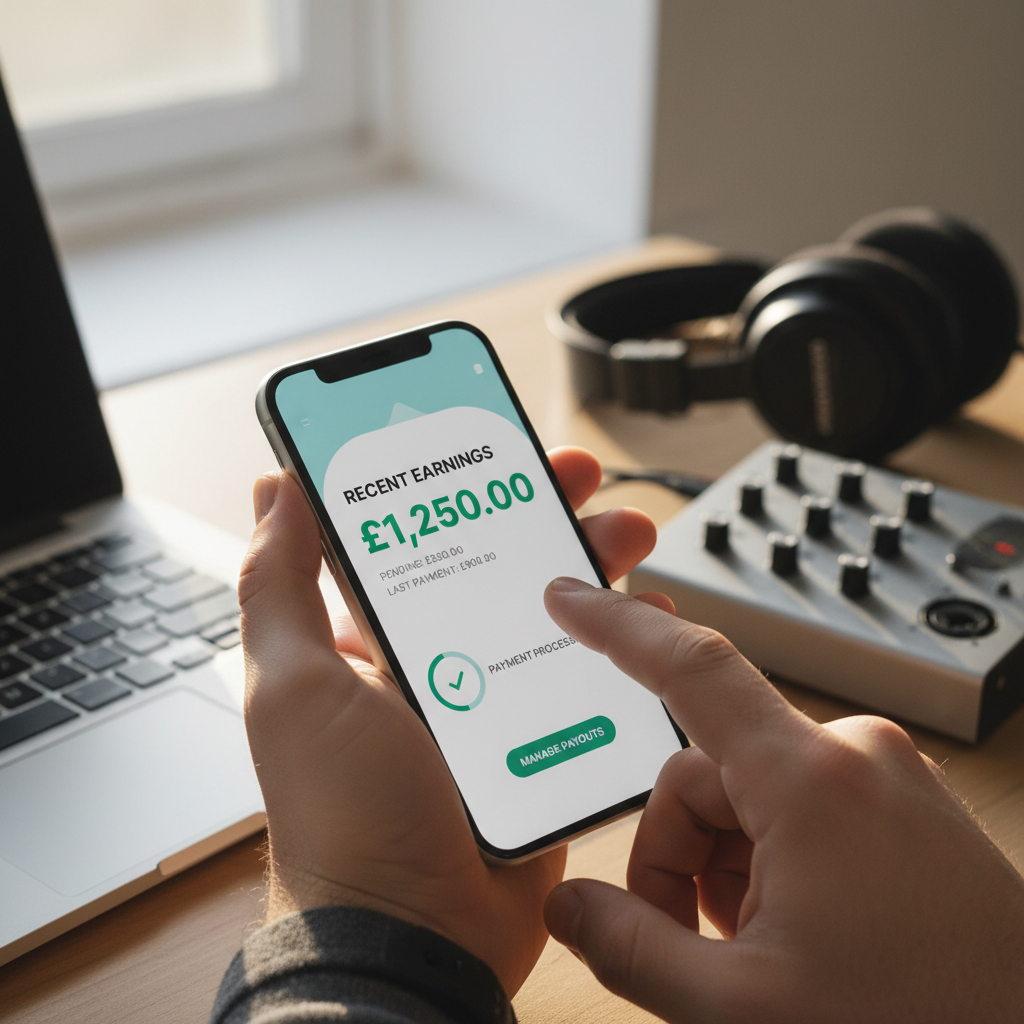
Myth 3: Cashless Systems Exclude Certain Demographics
Some people believe that cashless transactions exclude certain groups, such as the elderly or those without access to technology. However, efforts are being made to ensure inclusivity. Financial services are increasingly accessible via simple mobile phones and community programs are in place to educate and assist those unfamiliar with digital payments.
Moreover, many countries are working towards creating an inclusive financial ecosystem that bridges the digital divide and provides equal opportunities for all to participate in the cashless economy.
Myth 4: Cashless Transactions Lead to Overspending
There is a notion that using cashless payments encourages overspending, as the physical act of handing over cash is absent. While it's true that digital payments can feel less tangible, many platforms offer budgeting tools and spending alerts to help users monitor and control their finances. With the right approach, cashless transactions can actually enhance financial discipline by providing detailed transaction histories and insights.

Myth 5: Cashless Transactions Are Expensive
Some individuals worry about hidden fees associated with cashless transactions. While there may be fees for certain services, such as international transfers, many cashless systems offer free or low-cost options for everyday transactions. It's crucial to research and choose the right financial products that align with personal needs to minimize costs.
As technology continues to evolve, cashless transactions are becoming more accessible and affordable, making them a viable option for managing personal and business finances.
Embracing the Cashless Future
Dispelling these myths is essential for understanding the true potential of cashless transactions. As we move towards a more digital world, embracing these technologies can lead to more secure, convenient, and efficient financial experiences. By staying informed and proactive, individuals can confidently navigate the landscape of cashless payments.