Expert Insights: Trends in Payment Processing Technology
The Evolution of Payment Processing
The landscape of payment processing technology is rapidly evolving, driven by advancements in digital innovation and consumer expectations. As businesses strive to offer seamless and secure transactions, staying updated on the latest trends is crucial. This article delves into the emerging trends that are shaping the future of payment processing.
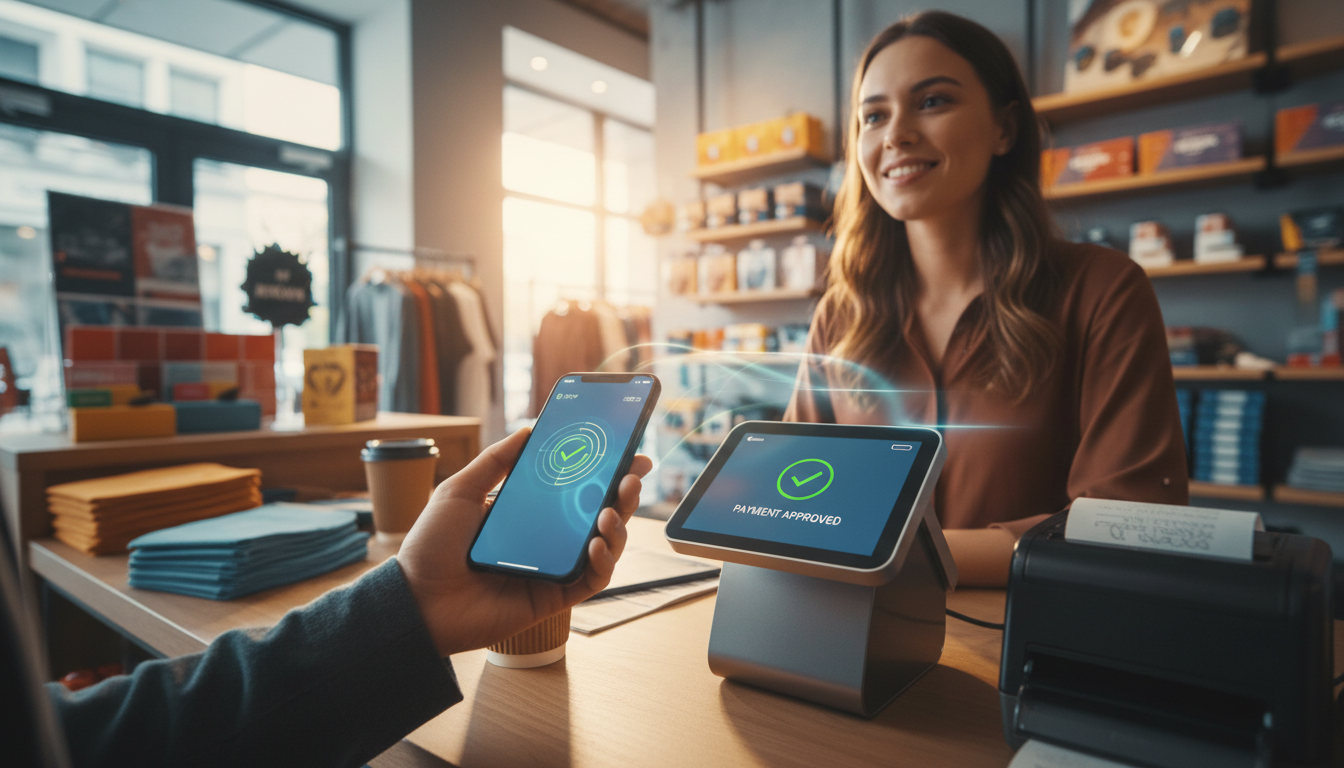
Contactless Payments
One of the most significant shifts in payment technology is the rise of contactless payments. With the increased demand for convenience and hygiene, contactless cards and mobile wallets have become a preferred choice for consumers. These methods allow for quick, secure, and effortless transactions, eliminating the need for physical cash or card swipes.
The integration of Near Field Communication (NFC) technology has further streamlined this process, enabling users to simply tap their devices for payments. Businesses that adopt contactless solutions can enhance customer satisfaction and increase transaction speed.
Enhanced Security Measures
As digital transactions become more prevalent, the need for robust security measures has never been more critical. Payment processors are implementing advanced technologies such as tokenization and biometric authentication to protect sensitive information. These security measures help in reducing fraud and building consumer trust.

Tokenization replaces sensitive card details with unique tokens, preventing unauthorized access. Meanwhile, biometric authentication, including fingerprint and facial recognition, adds an extra layer of security, ensuring only authorized users can complete transactions.
Artificial Intelligence and Machine Learning
Artificial Intelligence (AI) and Machine Learning (ML) are transforming payment processing by offering predictive analytics and personalized experiences. AI-driven algorithms can detect fraudulent activities in real-time, allowing businesses to respond swiftly to potential threats.
Moreover, ML models analyze consumer behavior patterns to offer personalized payment solutions, enhancing user experience and boosting customer loyalty. These technologies enable businesses to make data-driven decisions and innovate continuously.

Integration with Internet of Things (IoT)
The integration of payment processing with the Internet of Things (IoT) is opening up new possibilities. IoT devices, from smartwatches to connected cars, can now facilitate payments, providing unparalleled convenience. This trend is set to revolutionize how consumers interact with everyday objects.
Businesses investing in IoT-enabled payment solutions can offer innovative services that cater to tech-savvy customers, creating a competitive edge in the market.
Blockchain and Cryptocurrency
Blockchain technology and cryptocurrencies are gaining traction in the payment processing realm. Blockchain offers a decentralized and transparent platform for transactions, reducing the risk of fraud. Cryptocurrencies like Bitcoin and Ethereum provide an alternative payment method that is gaining acceptance across various industries.

Adopting blockchain and cryptocurrency solutions can enhance transaction efficiency and open up new revenue streams for businesses willing to explore this frontier.
Conclusion
The trends in payment processing technology reflect a shift towards greater convenience, security, and innovation. By embracing these changes, businesses can not only meet consumer expectations but also position themselves as leaders in the digital economy. Staying informed and agile will be key to navigating this dynamic landscape.